


Best UK Cashback Credit Cards for Everyday Spending
By RewardGlide Team
Cashback
14 min read
Search Articles

A good cashback card can make your everyday spending a bit more rewarding. Whether you’re doing the weekly shop, filling up the car, commuting, or buying things online, the right card can give you money back on purchases you were going to make anyway.
Not all cashback cards work the same way, though. Some pay a high rate for the first year and then drop it. Others reward specific categories like fuel or eating out, or pay a small, steady rate on everything you buy.
In this guide, we’ll look at some of the cashback cards available in the UK in 2026, compare what they offer, explain how cashback works, and help you work out which one suits the way you spend.
The goal is simple: earn useful rewards without spending more than you normally would.
Table of Contents
1. What Makes a Good Everyday Cashback Credit Card?
A good cashback card rewards your regular spending without quietly adding costs. The card with the biggest headline rate isn’t always the best one. It should suit your shopping habits and still be worth having once any introductory offer runs out.
Here are five things to think about before you pick one.

Cashback
Rate
How much you
earn back

Spending
Categories
Groceries, fuel,
travel and more

Annual or
Monthly Fees
Check the
total cost
Cashback
Limits
Understand any caps
or requirements

Redemption
Options
How and when
you get paid
Related Articles




Subscribe for Updates
Get the latest credit card guides, tips and offers straight to your
No spam, Unsubscribe anytime
Cashback Rate
The cashback rate tells you how much comes back from eligible purchases. At 1%, for example, you’d get £1 back for every £100 you spend on eligible items.
Some cards start with a higher introductory rate and then move to a lower standard one.
Spending Categories
Some cards only reward certain types of spending, like groceries, fuel, transport, restaurants, and everyday shopping. Others pay out on a wider range of purchases.
Check which transactions actually qualify before you apply.
Annual or Monthly Fees
Some cashback cards charge an annual or monthly fee. Compare the rewards you realistically expect to earn with what the card costs to keep.
A card with a fee isn’t automatically better than a free one.
Cashback Limits and Requirements
Some cards have a minimum annual spend, caps on introductory cashback, or different rates once you pass certain spending levels.
Knowing these conditions helps you work out what you’ll really get back.
Redemption Options
Check how and when your cashback is paid. Depending on the provider, it may show up as a statement credit or go straight into your account.
Also check whether cashback can go towards your minimum monthly repayment. Usually, it can’t.
2. Best Cashback Credit Cards for Everyday Spending in the UK
Here are five UK cashback cards worth comparing in 2026. Each one has its own reward structure, so the right pick depends on how you spend and which terms you qualify for.
Amex Cashback
Everyday
Best for Higher Spending
2% for 12 months
(up to £200)
0.5% / 1% after
£0 annual fee
Amex Cashback
Best for No-Fee Cashback
5% for 3 months
(up to £125)
0.75% / 1.25% after
£25 annual fee
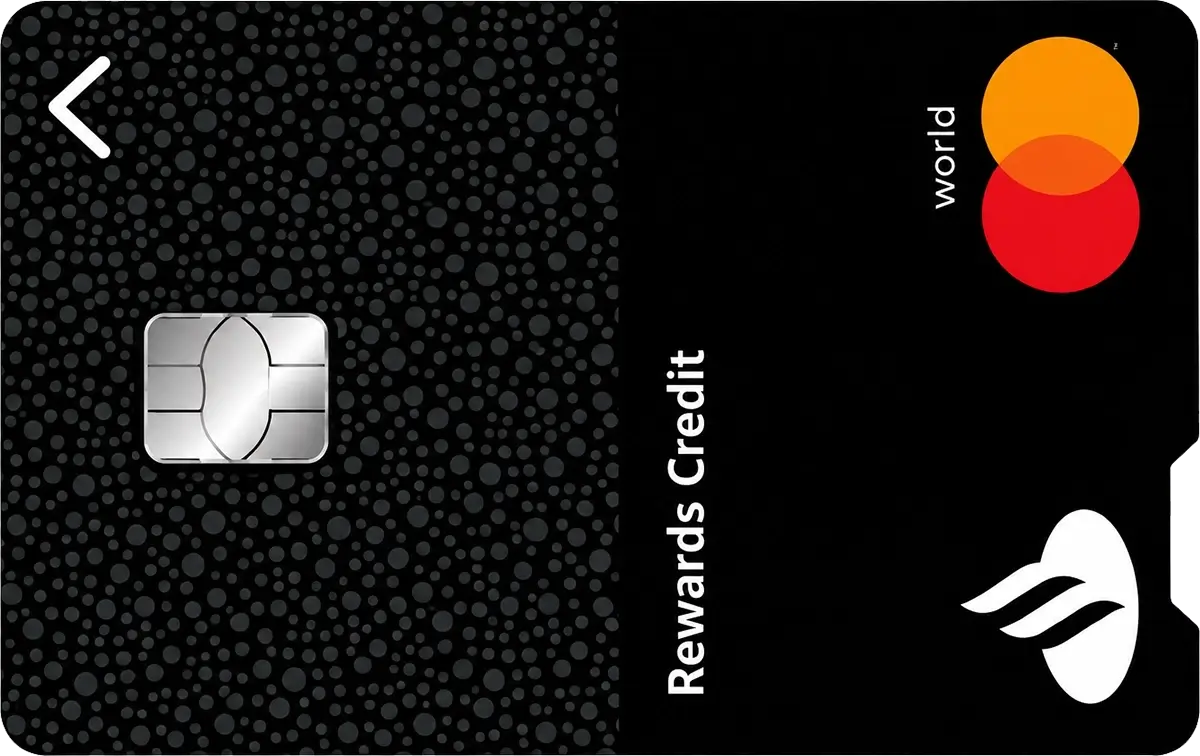
Santander Rewards
Best for Travel & Dining
3% for 12 months (travel, dining, takeaway)
0.25% on other spending
£0 monthly fee

Barclaycard Rewards
Best for Overseas Spending
0.25% on purchases
No overseas fees
£0 annual fee
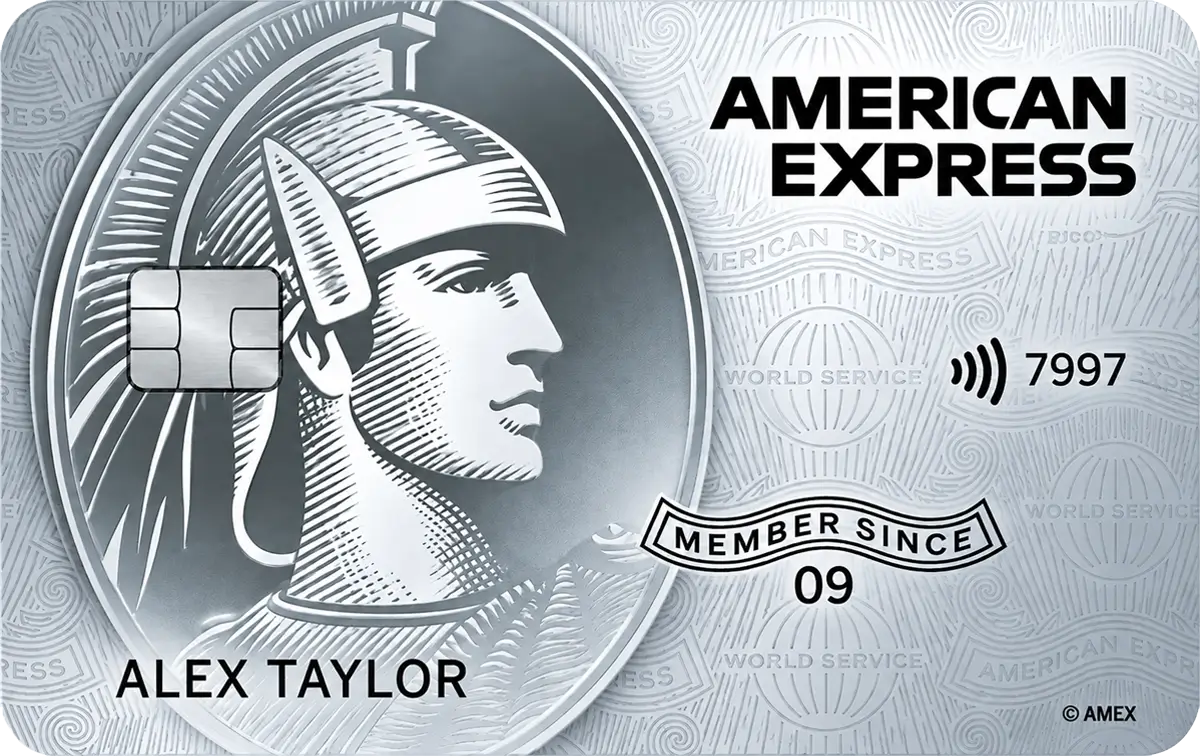
1. Amex Cashback Everyday Credit Card
Best for: Everyday cashback without an annual fee
If you want to earn cashback without paying an annual fee, the Amex Cashback Everyday Credit Card is worth a look.
For the first 12 months, it offers 2% introductory cashback, up to a maximum of £200. Once that offer ends, the standard rates are 0.5% on spending up to £10,000 and 1% on spending above £10,000 in your Cardmembership year.
There’s no annual fee, but you need to spend at least £3,000 a year to qualify for cashback.
Key features:
- 2% introductory cashback for the first 12 months, up to £200.
- 0.5% cashback on annual spending up to £10,000 after the offer.
- 1% cashback on annual spending above £10,000.
- No annual fee.
- A minimum annual spend of £3,000 to qualify for cashback.
Why consider it?
This card could suit you if you use a credit card for everyday purchases and would rather not pay an annual fee. Just remember the introductory rate is temporary, so look closely at the ongoing rates before you sign up.
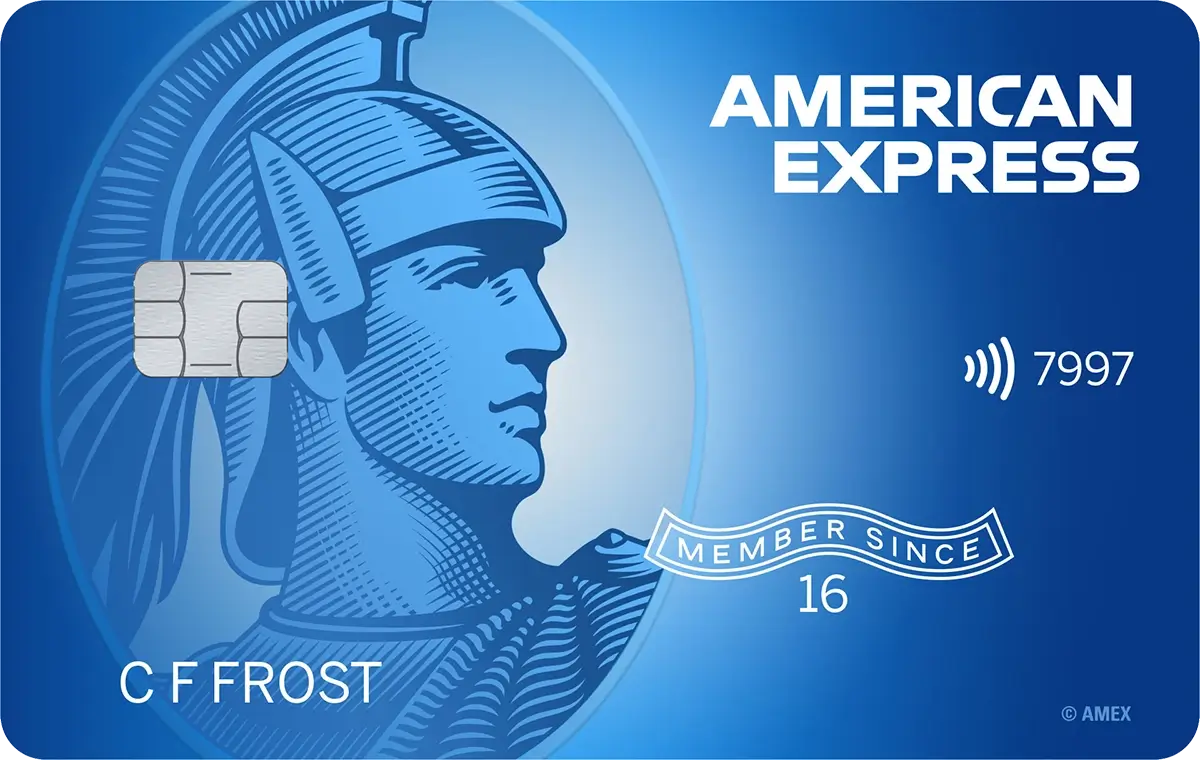
2. Amex Cashback Credit Card
Best for: Higher spending and introductory cashback
The Amex Cashback Credit Card is another option if you want cashback on eligible purchases.
It gives you 5% cashback during the first three months, up to £125. After that, the standard structure is 0.75% on spending up to £10,000 and 1.25% on spending above £10,000 in a Cardmembership year.
There’s a £25 annual fee, so work out whether your expected cashback will cover it and still leave you ahead.
Key features:
- 5% introductory cashback for the first three months, up to £125.
- 0.75% cashback on annual spending up to £10,000 after the offer.
- 1.25% cashback on annual spending above £10,000.
- £25 annual fee.
- Cashback on eligible purchases.
Why consider it?
This one may appeal if your everyday spending is fairly high and you can make good use of the tiered cashback. Just factor the annual fee and the short introductory window into your sums.
3. Santander Rewards Credit Card
Best for: Travel, fuel, restaurants, and takeaways
The Santander Rewards Credit Card takes a different approach. Rather than paying one rate on everything, it rewards selected everyday categories.
For the first 12 months, eligible travel, eating out, and takeaway spending earns 3% cashback. That covers qualifying fuel, EV charging, trains, buses, restaurants, cafés, and takeaway deliveries.
Other eligible purchases earn 0.25%, and that’s also the rate after the first year.
There’s no monthly account fee, and cashback is paid monthly.
Key features:
- 3% cashback during the first 12 months on eligible travel, eating out, and takeaway spending.
- 0.25% cashback on other eligible purchases.
- 0.25% cashback on eligible purchases after the first year.
- No monthly account fee.
- Monthly cashback payments.
- No foreign exchange fees on purchases abroad when you pay in the local currency.
Why consider it?
This could be useful if you regularly spend on commuting, fuel, restaurants, and takeaways. Do check the merchant category rules, though, because not every transaction at a particular business will automatically earn the higher rate.
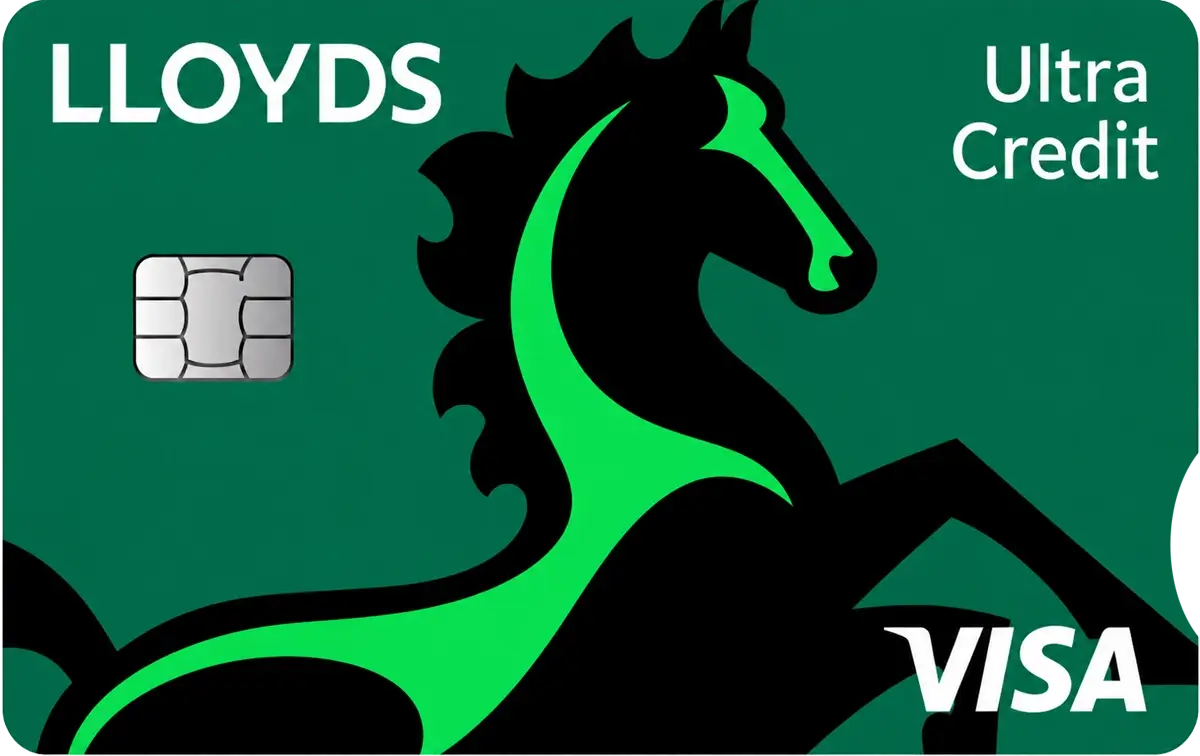
4. Lloyds Ultra Credit Card
Best for: Cashback with no monthly fee and overseas spending
The Lloyds Ultra Credit Card keeps things simple on cashback and doesn’t charge for spending abroad.
You earn 1% cashback on card purchases during the first year from opening the account. After that, the rate drops to 0.25%.
There’s no monthly account fee, and no foreign transaction fees on purchases made in a foreign currency.
Key features:
- 1% cashback during the first 12 months.
- 0.25% cashback after the first year.
- No monthly account fee.
- No foreign transaction fees on purchases.
- Cashback shown on monthly statements and paid annually.
Why consider it?
Lloyds Ultra suits people who want a straightforward cashback card and also value not paying fees when they travel abroad. Bear in mind the cashback rate falls after the first year.
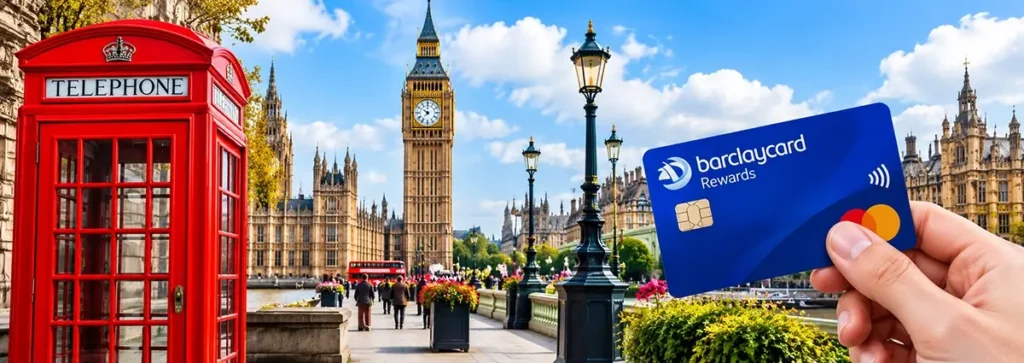
5. Barclaycard Rewards Credit Card
Best for: Everyday cashback and overseas spending
The Barclaycard Rewards Credit Card gives cashback on eligible purchases and has some useful perks for international travellers.
You earn 0.25% cashback on eligible purchases. There are no fees for overseas spending or cash withdrawals abroad, though interest and other conditions may still apply to cash withdrawals.
The cashback rate is lower than many introductory offers, but the overseas features might make it worth a look if you travel a lot.
Key features:
- 0.25% cashback on eligible purchases.
- No fees abroad on eligible transactions.
- Visa exchange rate for foreign currency transactions.
- Purchase protection on eligible purchases.
- Representative APR and eligibility depend on your circumstances.
Why consider it?
This is worth comparing if you want a simple cashback card with overseas benefits. If your top priority is the highest possible cashback rate, other cards on this list will likely do better.
3. Cashback Credit Cards Comparison
Here’s how the five UK cards in this guide compare side by side.
| Feature | Amex Cashback Everyday | Amex Cashback | Santander Rewards | Lloyds Ultra | Barclaycard Rewards |
|---|---|---|---|---|---|
| Best for | No-fee cashback | Higher spending | Travel and dining | Everyday and overseas spending | Overseas spending |
| Introductory cashback | 2% up to £200 | 5% up to £125 | 3% on selected categories | 1% for first year | No introductory rate listed |
| Ongoing cashback | 0.5% / 1% | 0.75% / 1.25% | 0.25% | 0.25% | 0.25% |
| Annual / monthly fee | £0 | £25 annual | £0 monthly | £0 monthly | No annual fee listed |
| Cashback paid | Annually | Annually | Monthly | Annually | Check card terms |
| Special benefit | No annual fee | Higher ongoing tier above £10,000 | Selected travel and dining cashback | No foreign transaction fees | No fees abroad |
Rates and features depend on eligibility, exclusions, and card terms. Introductory offers can change.
4. Which Cashback Card Fits Your Spending?
Choose a card that matches your biggest spending areas.

Groceries
Use a general cashback card for everyday shopping.

Fuel & Transport
Santander Rewards may offer higher rewards on eligible fuel and travel.

Dining & Takeaways
Earn more on restaurants and takeaway spending.

Shopping
A simple cashback card can work well for general purchases.
Travel Abroad
Consider cards with no foreign transaction fees, such as Lloyds Ultra or Barclaycard Rewards.
The best card depends on where and how often you spend. A card with a great introductory offer might not be the right long-term choice.
Here are a few examples to help you compare.
If You Spend Most on Groceries
If you do most of your shopping at places like Tesco, Sainsbury’s, Asda, Aldi, or Lidl, look for a card that rewards everyday purchases.
A general cashback card can work well, but check whether supermarket spending qualifies and whether any specific retailers are excluded.
If You Spend Most on Fuel and Transport
If you regularly pay for petrol, diesel, EV charging, or public transport, the Santander Rewards Credit Card is worth comparing, thanks to its introductory cashback on eligible travel and fuel.
If You Spend Most on Dining and Takeaways
If you eat out, grab coffee, or order takeaway often, a card that rewards those categories could pay off.
Check the merchant category rules before you assume every restaurant or food purchase earns the same rate.
If You Want Simple Cashback
If you’d rather not track several spending categories, compare the ongoing rates of Amex Cashback Everyday, Lloyds Ultra, and Barclaycard Rewards.
If You Travel Outside the UK
If you spend abroad a lot, Lloyds Ultra and Barclaycard Rewards are worth a closer look, since both have features for foreign currency spending. Check the terms, as always.
5. How to Get the Most Out of Your Cashback
Picking the card is only the first step. How you use it makes a real difference to what you get back.
1. Use the Right Card for Eligible Purchases
Know which categories qualify for cashback. If your card pays more on certain purchases, use it for those where the transaction is eligible.
2. Understand Introductory Offers
Introductory rates look great, but they don’t last forever. Check when the offer ends, how much you can earn during it, and what the standard rate becomes afterwards.
3. Track Your Spending
Keep an eye on your monthly spending and your yearly cashback total. That tells you whether the card is actually doing its job.
4. Pay Your Balance in Full
Try to clear your balance in full every month. Interest can quickly wipe out whatever cashback you’ve earned.
5. Compare Fees with Rewards
If a card has an annual fee, work out your expected cashback after deducting it. For lower spending, a no-fee card often gives better overall value.
6. Common Cashback Card Mistakes to Avoid

Ignoring Fees
A fee can reduce your net rewards.

Not Checking Introductory Periods
Higher rates are often temporary.

Assuming All Purchases Qualify
Some transactions may be excluded.

Carrying a Balance
Interest can outweigh your cashback.

Missing Payments
Late payments can lead to fees and affect your credit score.
Even a good cashback card can be pointless if you don’t understand its terms.
Ignoring Annual Fees
A card with a fee has to earn enough cashback to cover it. Always work out the net benefit.
Not Checking Introductory Periods
Some cards only offer higher cashback for a limited time. Don’t assume the introductory rate will carry on indefinitely.
Assuming Every Purchase Qualifies
Cashback depends on eligible transactions and sometimes on merchant category codes. A purchase might not earn the rate you were expecting.
Carrying a Balance
Interest charges can easily outweigh your rewards. Don’t use a cashback card to spend money you can’t afford to repay.
Forgetting Payment Dates
A missed payment can bring fees, interest, and possible damage to your credit record. A Direct Debit for at least the minimum payment can help you stay on track.
Don’t count a benefit as savings if you wouldn’t normally use it.
You can explore RewardGlide’s calculators and comparison tools to estimate potential rewards and compare options before making a decision.
Final Thoughts
The best cashback credit card for everyday spending in the UK depends on your habits, goals and the card’s fees. Compare the offers, check the terms and choose a card that fits your lifestyle. Used responsibly, a cashback card can help you get more from the money you already spend.
Frequently Asked Questions
Which cashback credit card is best for everyday spending in the UK?
There’s no single best card for everyone. The Amex Cashback Everyday Credit Card suits people who want no annual fee, while the Santander Rewards Credit Card may appeal if you regularly spend on travel, fuel, restaurants, and takeaways.
Are cashback credit cards free in the UK?
Some cashback cards have no annual or monthly fee, while others do charge one. Always check the latest terms before you apply.
How does cashback work on a credit card?
A cashback card returns a percentage of your eligible spending. At a 1% rate, for example, £100 of eligible spending earns you £1.
Is cashback paid monthly or annually?
That depends on the provider. Santander Rewards pays monthly, while some American Express and Lloyds cards pay annually.
Can I earn cashback on supermarket shopping?
You may, depending on your card’s terms and how the retailer’s transactions are categorised.
Do cashback credit cards charge interest?
Yes. If you don’t repay your balance in full by the payment due date, you’ll be charged interest, and that can outweigh the cashback you earn.
Does cashback count towards my minimum monthly payment?
Don’t assume it does. Cashback generally doesn’t count, so you still need to make the required payment separately.
Are cashback rewards taxable in the UK?
Cashback on personal spending is generally treated as a rebate or discount rather than taxable income. Everyone’s situation is a little different, so check HMRC guidance if you’re unsure.