Best Cashback Credit Cards for Everyday Spending in 2026
By RewardGlide Team
Cashback
14 min read
Search Articles
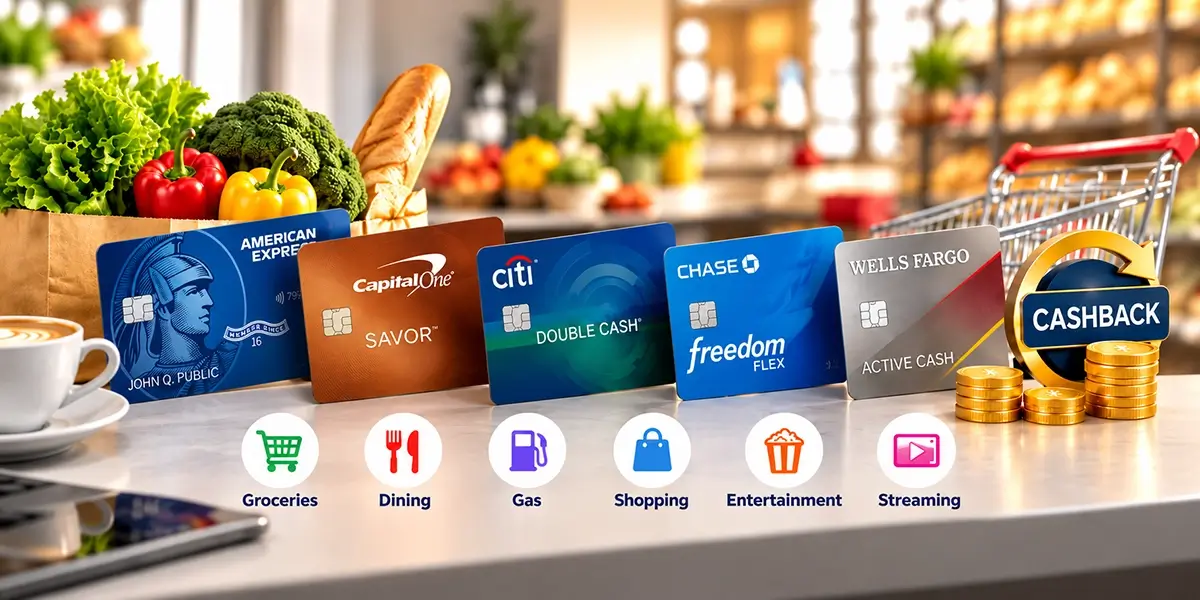
Choosing a credit card isn’t just about finding the biggest welcome bonus or the highest advertised cashback rate. What really matters is how much value you get from the purchases you make every day. In this guide, we’ll look at the best cashback credit cards for everyday spending in 2026, compare their rewards, and help you decide which one might fit your lifestyle.
Table of Contents
Picking a credit card isn’t really about the biggest welcome bonus or the flashiest cashback percentage. What matters is how much you get back from the stuff you buy every single day.
Think about your normal week. You buy groceries, fill up the car, order food, shop online, pay for a streaming subscription, and now and then go out with friends. None of it feels like much on its own, but it adds up fast over a year. A good cashback card can quietly give some of that money back.
The good news is that several U.S. credit cards offer cashback on everyday purchases without charging an annual fee.
That said, no two cards work the same way. Some are better at grocery stores, others are built around dining, gas, or just general spending.
In this guide, we’ll go through some of the best cashback cards for everyday spending in 2026, compare what they offer, and help you figure out which one fits your life.
Related Articles
Subscribe for Updates
Get the latest credit card guides, tips and offers straight to your
No spam, Unsubscribe anytime
What Makes a Good Everyday Cashback Card?
Before you pick a card, it helps to know what actually makes one useful for day-to-day spending.
A card advertising 6% cashback sounds better than one offering 2%, but that doesn’t automatically make it the smarter pick.
Take a card that gives 6% on groceries but has a spending cap and an annual fee. A flat 2% card on everything might end up being easier to live with and just as rewarding.
A few things to think about:
Cashback Rate: How much do you actually get back on your purchases?
Spending Categories: Does the card reward groceries, gas, dining, or online shopping?
Annual Fee: Will the rewards you earn cover the yearly cost?
Spending Limits: Does the bonus rate stop after a certain amount?
Redemption Options: Can you take your rewards as statement credits, a deposit, or something else?
The best card is usually the one that fits how you already spend, not the one with the biggest number in the ad.
Best Cashback Credit Cards for Everyday Spending in 2026
| Credit Card | Best For | Key Cashback Rewards | Annual Fee |
|---|---|---|---|
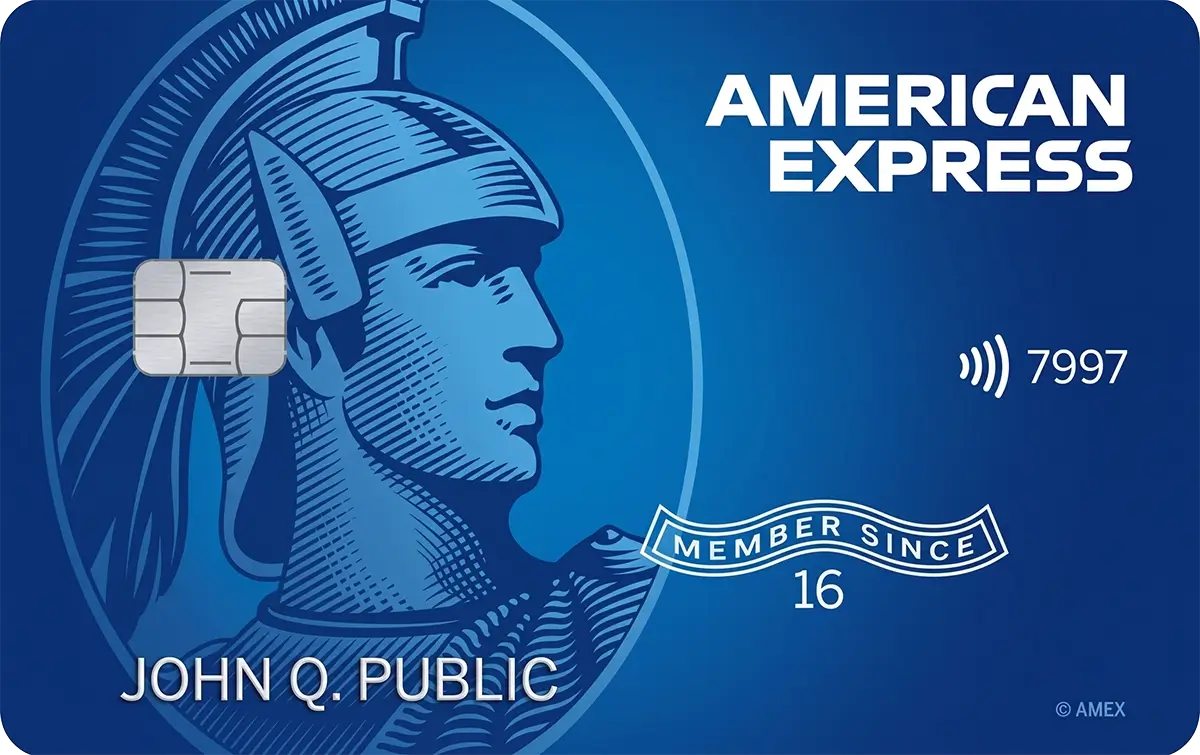
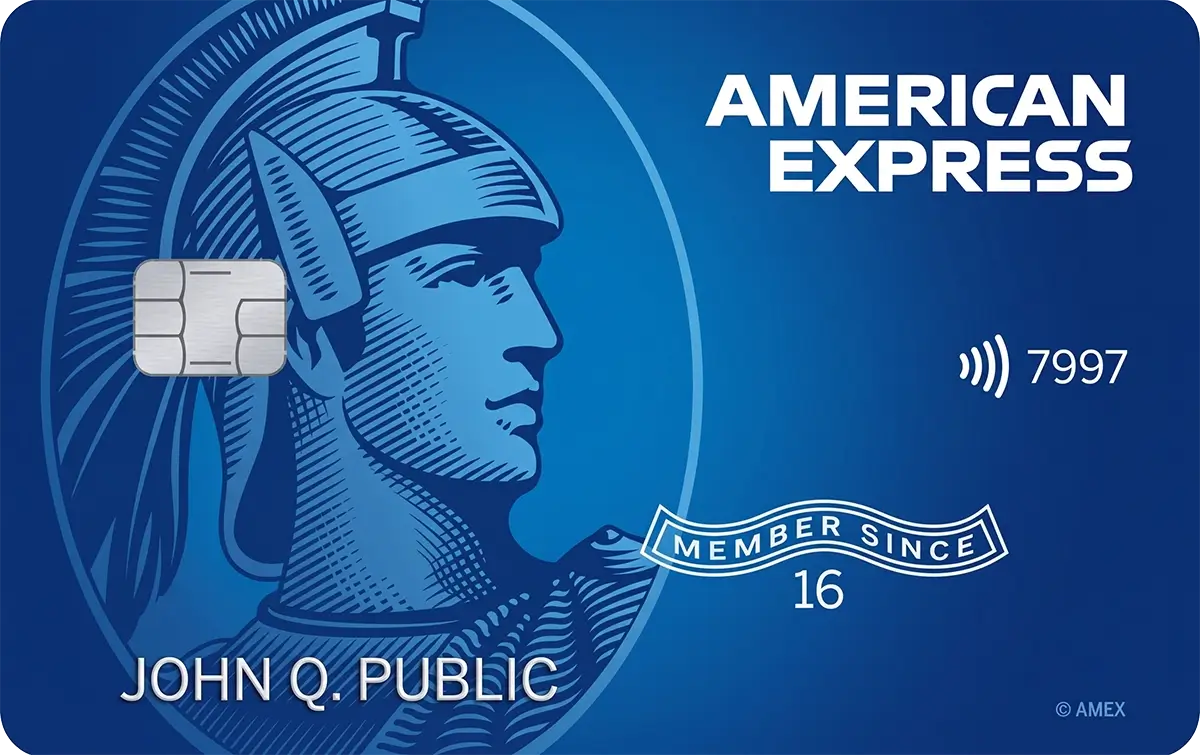
Blue Cash Preferred® Card
from American Express
|
Groceries and streaming subscriptions |
|
$0 first year, then $95 |
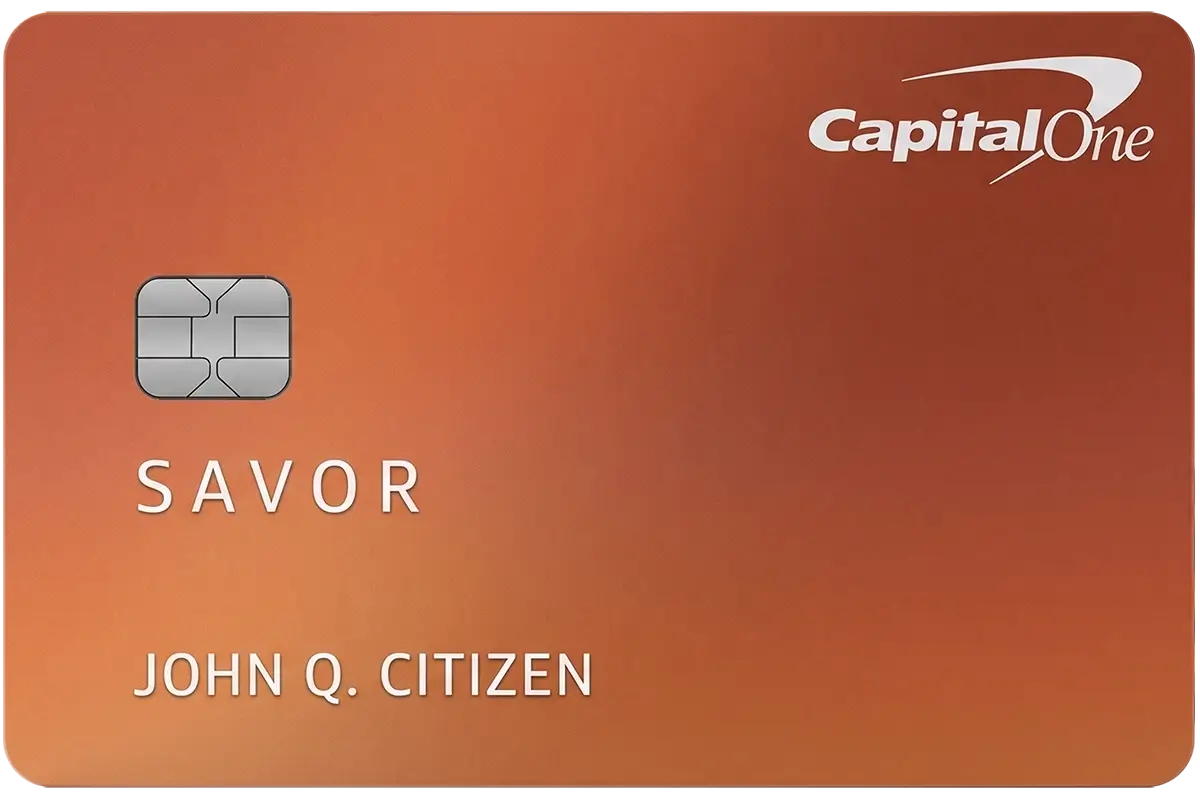
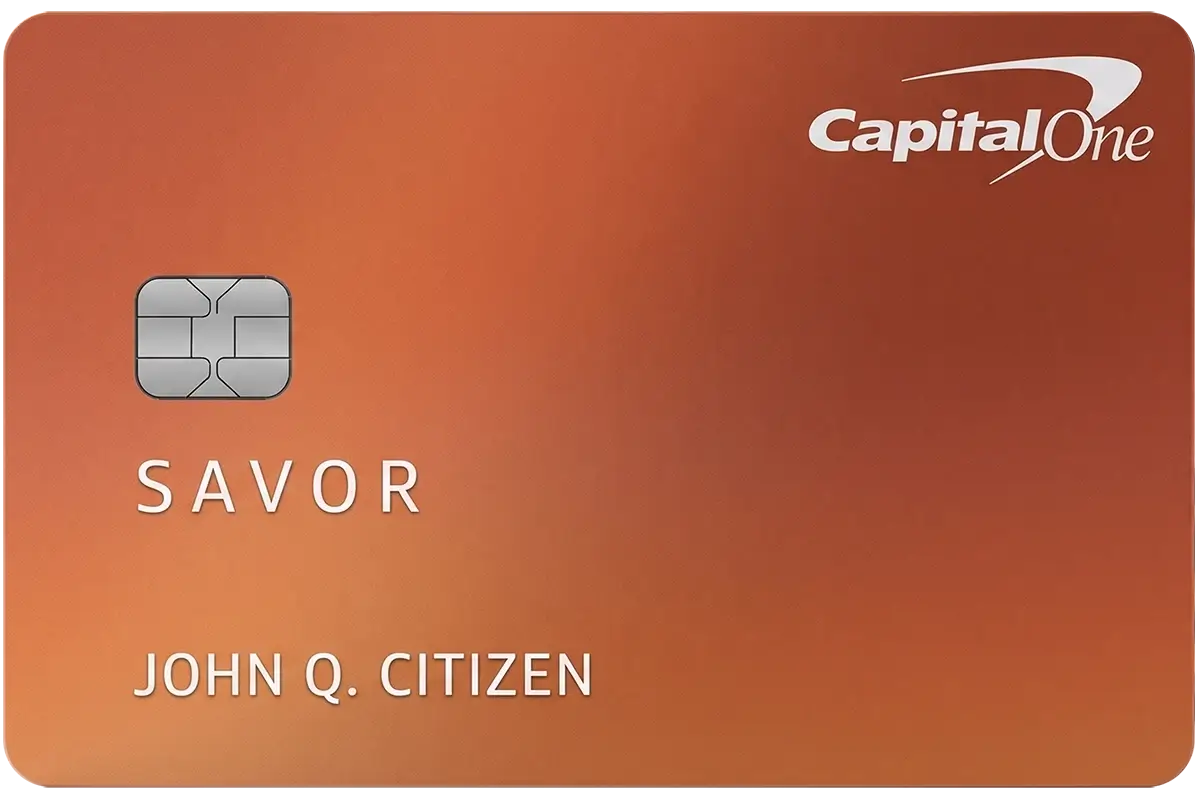
Capital One Savor Cash Rewards Credit Card
|
Dining, entertainment, and groceries |
|
$0 |
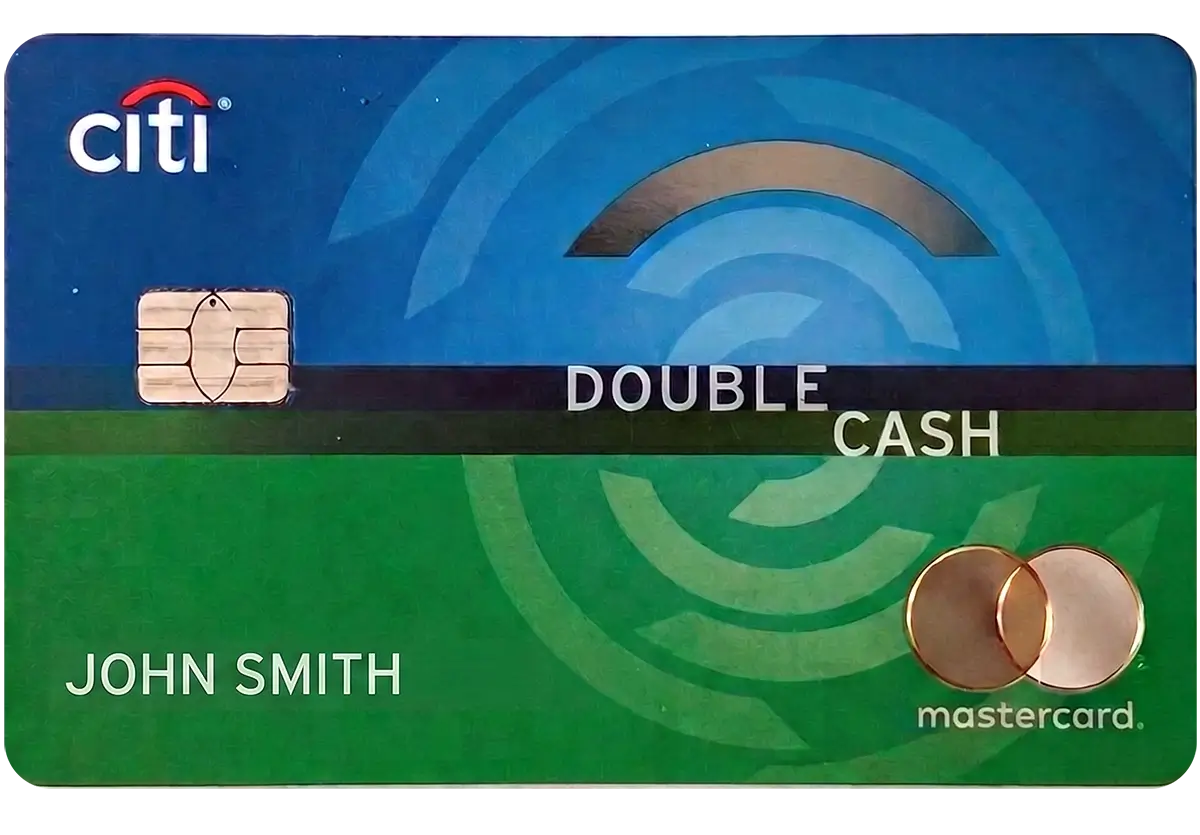
Citi Double Cash® Card
|
Simple cashback on everyday purchases |
|
$0 |
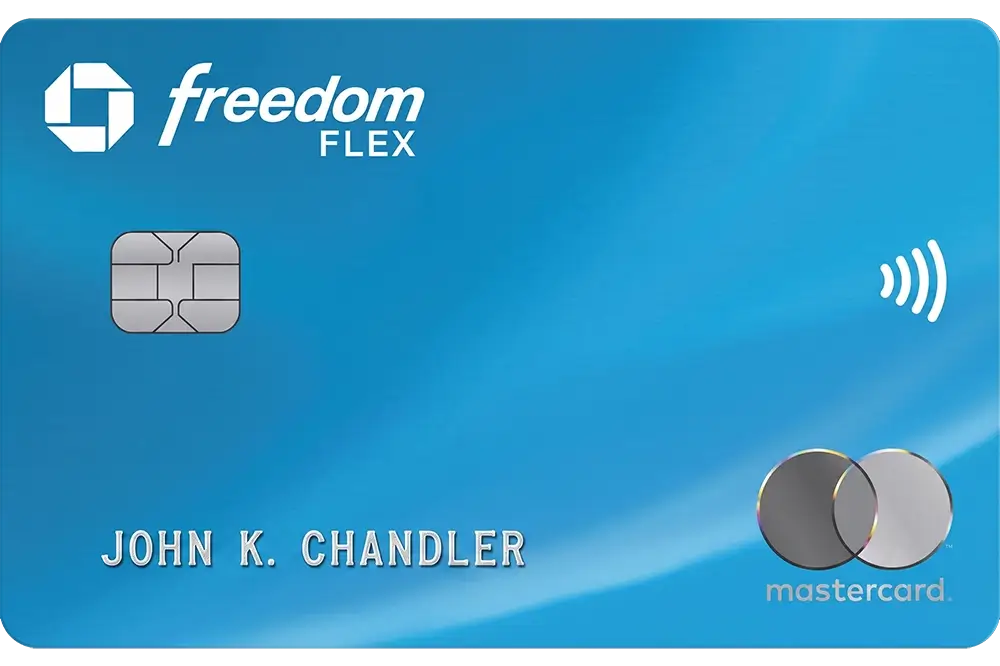
Chase Freedom Flex® Card
|
Everyday spending with bonus categories |
|
$0 |
Blue Cash Everyday® Card
from American Express
|
Groceries, gas and online shopping |
|
$0 |
Wells Fargo Active Cash® Card
|
Flat-rate cashback |
|
$0 |
Here are five cards worth a look if you want to earn rewards on everyday purchases in the United States.
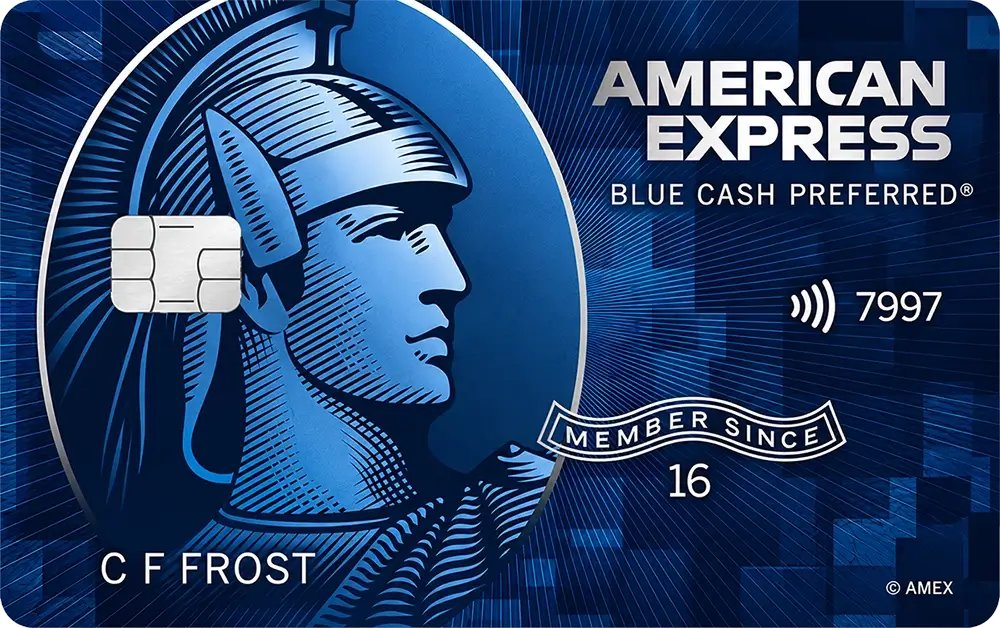
1. Blue Cash Preferred® Card from American Express
Best for: Groceries and streaming subscriptions
If a big chunk of your monthly budget goes to groceries, the Blue Cash Preferred® Card from American Express is worth a closer look.
It has one of the stronger cashback setups for households that shop regularly at U.S. supermarkets.
Key Rewards:
6% cashback at U.S. supermarkets on up to $6,000 in purchases per year, then 1%.
6% cashback on select U.S. streaming subscriptions.
3% cashback at eligible U.S. gas stations.
3% cashback on eligible transit purchases.
1% cashback on other eligible purchases.
Annual Fee: $0 introductory annual fee for the first year, then $95.
Why Consider This Card?
Say you spend around $400 a month at eligible supermarkets. That’s $4,800 a year in groceries.
At 6% cashback, you’d earn about $288 from groceries alone, before counting anything else you buy.
That makes this card especially appealing for families and anyone who spends steadily on groceries and streaming.
Things to Consider:
The $6,000 annual supermarket cap matters. Once you hit it, supermarket purchases drop to 1% cashback.
You’ll also want to factor in the $95 annual fee once the intro year is over.
Our Take: A strong pick if you spend consistently on groceries and can earn enough back to make the annual fee worth it.
2. Capital One Savor Cash Rewards Credit Card
Best for: Dining, entertainment, and groceries
Not everyone’s biggest expense is the supermarket. Plenty of people eat out a lot, order takeout, catch concerts, or go to the movies.
That’s where the Capital One Savor Cash Rewards Credit Card comes in.
It rewards several categories that show up in regular life.
Key Rewards:
3% cashback at grocery stores.
3% cashback on dining.
3% cashback on entertainment.
3% cashback on popular streaming services.
1% cashback on other eligible purchases.
5% cashback on eligible hotels, vacation rentals, and rental cars booked through Capital One Travel.
Annual Fee: $0.
Why Consider This Card?
Its biggest strength is that it rewards both going out and staying in.
You can earn on your grocery run, a dinner out, a movie night, or a streaming subscription.
It also has no foreign transaction fees, which helps if you travel abroad.
Things to Consider:
The 3% grocery rate only applies to eligible grocery stores. Superstores like Walmart and Target are excluded from that category.
Everything else outside the bonus categories earns 1%.
Our Take: A good fit if your spending leans toward dining, groceries, entertainment, and streaming.
3. Citi Double Cash® Card
Best for: Simple cashback on everyday purchases
Some people don’t want to keep track of category rules or activate rotating rewards every few months. They just want a card that earns on almost everything they buy.
The Citi Double Cash® Card is built for exactly that.
Key Rewards:
Earn 1% cashback when you make a purchase.
Earn another 1% when you pay for that purchase.
That’s 2% cashback on eligible purchases in total.
No rotating categories.
No need to enroll in spending categories.
Annual Fee: $0.
Why Consider This Card?
Simplicity is the big draw.
You don’t have to remember whether groceries earn 3%, dining earns 2%, or gas earns something else. You just use the card and earn 2% overall.
For example, if you spend $1,000 on eligible purchases and pay that balance off, you’d earn $20 in cashback.
Things to Consider:
The second 1% only comes in as you pay down your purchases. Swiping the card alone doesn’t give you the full 2% right away.
If you spend heavily in categories that pay 3% or 6% on other cards, this one won’t beat those.
Our Take: Excellent if you’d rather have straightforward rewards than juggle multiple spending categories.
4. Chase Freedom Unlimited®
Best for: Everyday spending and dining
The Chase Freedom Unlimited® is another popular choice if you want a flexible cashback card.
It pairs a flat rate on everyday purchases with higher rewards on dining, drugstores, and eligible travel booked through Chase.
Key Rewards:
5% cashback on travel purchased through Chase Travel.
3% cashback on dining, including eligible takeout and delivery.
3% cashback at drugstores.
1.5% cashback on all other eligible purchases.
Annual Fee: $0.
Why Consider This Card?
This card is handy if you eat out, order food, or buy a lot at drugstores.
Everything outside the bonus categories still earns 1.5%, so you’re not missing out when you spend on something unexpected.
Eligible purchases also get extra purchase protection benefits, which is a nice bonus.
Things to Consider:
The base rate is 1.5%, which is lower than the 2% you get from a card like Citi Double Cash.
The 5% travel rate only applies to travel booked through Chase Travel, not to every trip you pay for.
Our Take: A practical everyday card if you want dining rewards with a simple structure.
5. Blue Cash Everyday® Card from American Express
Best for: Groceries, gas, and online shopping without an annual fee
If you like the Blue Cash Preferred setup but don’t want to pay a yearly fee, the Blue Cash Everyday® Card is worth a look.
It focuses on three common categories: groceries, gas, and online retail.
Key Rewards:
3% cashback at U.S. supermarkets.
3% cashback at U.S. gas stations.
3% cashback on eligible U.S. online retail purchases.
1% cashback on other eligible purchases.
The 3% rate applies to up to $6,000 in purchases per year in each eligible category, then drops to 1%.
Annual Fee: $0.
Why Consider This Card?
One of its best features is the rewards on online retail. If you shop online for clothes, electronics, household items, or everyday essentials, that can really add up.
And since there’s no annual fee, you don’t have to worry about a yearly charge eating into your cashback.
Things to Consider:
Each 3% category has its own $6,000 annual limit.
Purchases also have to meet the card’s category rules. Not every online order or supermarket transaction will get the bonus rate.
Our Take: A solid no-fee option if your spending is mostly groceries, gas, and online shopping.
6. Wells Fargo Active Cash® Card
Best for: Everyday spending with unlimited flat-rate cashback and no annual fee
If you prefer a credit card that rewards you on almost every purchase without making you track different spending categories, the Wells Fargo Active Cash® Card is worth considering.
Unlike cards that offer higher cashback rates only on groceries, dining, or travel, this card keeps things simple with a flat 2% cash rewards rate on eligible purchases.
That means you can earn cashback on everyday expenses without worrying about which category your purchase falls into.
Key Rewards:
Unlimited 2% cash rewards on all eligible purchases.
No rotating categories to activate.
No spending categories to track.
Cash rewards can be redeemed for eligible options, including statement credits and deposits into eligible Wells Fargo accounts.
Annual Fee: $0.
Why Consider This Card?
One of the biggest advantages of the Wells Fargo Active Cash® Card is its simplicity. You don’t need to remember which card offers the best rewards for groceries, restaurants, or online shopping.
Whether you’re paying bills, buying household essentials, shopping online, or making everyday purchases, the card offers the same 2% cash rewards rate on eligible spending.
It can also work well alongside category-based cashback cards. For example, you could use a card offering higher rewards on groceries and use Active Cash for purchases that don’t qualify for special bonus categories.
Another advantage is that you don’t have to pay an annual fee to keep the card.
Things to Consider:
The card doesn’t offer higher cashback rates for specific categories such as groceries, dining, or travel. If most of your spending is concentrated in one category, another card may provide better rewards on those purchases.
Also, foreign transactions generally carry a 3% foreign transaction fee, so this may not be the best choice for international spending.
Remember that carrying a balance and paying interest can quickly reduce the value of your cashback rewards.
Our Take: A straightforward no-annual-fee option for people who want consistent 2% cashback on everyday purchases without managing complicated reward categories.

3. Cashback Credit Cards Comparison
Here’s a quick side-by-side to show how these cards stack up.
| Feature | Blue Cash Preferred® | Capital One Savor | Citi Double Cash® | Chase Freedom Unlimited® | Blue Cash Everyday® |
|---|---|---|---|---|---|
| ★Best For | Groceries & streaming | Dining, entertainment & groceries | Simple cashback on everything | Everyday spending with bonus categories | Groceries, gas & online shopping |
| %Cashback Rate |
6% groceries 6% streaming 3% gas/transit 1% other |
3% groceries 3% dining 3% entertainment 3% streaming 5% travel 1% other |
2% on all purchases (1% + 1%) |
5% rotating categories 3% dining/drugstores 1% other |
3% groceries 3% gas 3% online shopping 1% other |
| ▣Annual Fee | $0 first year, then $95 |
$0 | $0 | $0 | $0 |
| ▤Spending Limits | $6,000 (groceries) | None (category limits vary) | None | Category limits may apply | $6,000 (groceries) |
| 🎁Redemption Options | Statement credits, deposits & more | Statement credits, deposits & more | Statement credits, deposits & more | Statement credits, deposits & more | Statement credits, deposits & more |
Rewards are subject to eligibility, category definitions, spending limits, and card terms.
4. Which Cashback Card Fits Your Spending?
The right cashback card depends on your spending habits. Here’s a quick guide to help you choose based on what you spend the most on.

You Spend Most on Groceries

Blue Cash Preferred® Card
Best for high grocery rewards and streaming.

You Spend Most on Dining & Entertainment

Capital One Savor Cash Rewards
Best for dining, entertainment and streaming.

You Want Simple Cashback

Citi Double Cash® Card
Best for flat 2% cashback on everything.

You Want Bonus Categories

Chase Freedom Unlimited® Card
Best for rotating categories and everyday spending.

You Prefer No Annual Fee

Blue Cash Everyday® Card
Best for groceries, gas and online shopping.

You Want Flat-Rate Cashback

Wells Fargo Active Cash® Card
Best for unlimited 2% cashback on everyday purchases without tracking spending categories.
If Groceries Take Up Most of Your Budget
Take a look at the Blue Cash Preferred® Card.
Its 6% rate at eligible U.S. supermarkets can be worth a lot, as long as your grocery spending is high enough to cover the annual fee.
If you’d rather skip the fee, the Blue Cash Everyday® Card gives you a simpler option at 3%.
If You Eat Out a Lot
Compare the Capital One Savor and Chase Freedom Unlimited.
Capital One Savor gives 3% on dining, groceries, entertainment, and popular streaming services.
Chase Freedom Unlimited gives 3% on dining and eligible drugstore purchases.
The choice may come down to whether you spend more on entertainment and groceries, or whether you’d rather have a mix of dining and general purchases.
If Online Shopping Is a Big Part of Your Month
The Blue Cash Everyday® Card is worth a look, since it pays 3% on eligible U.S. online retail purchases, up to its spending limit.
If online orders are a regular habit, that bonus can make a real difference.
If You Want One Card for Almost Everything
The Citi Double Cash® Card is an easy choice.
Its 2% total cashback means you can earn rewards without tracking categories at all.
5. How to Get the Most Out of Your Cashback
A cashback card only pays off if you use it well. Here’s how to get more value from yours.
1. Match the Card to Your Spending
Don’t pick a card just because it advertises the highest percentage.
Look at what you actually spent over the last two or three months. If groceries are the bulk of it, go with a card that rewards grocery purchases.
2. Pay the Full Balance Whenever You Can
This is probably the most important rule.
Cashback isn’t worth much if you’re paying high interest every month.
Try to pay your statement balance in full by the due date.
3. Keep an Eye on Spending Limits
Some cards only give the higher rate up to a certain annual amount.
Once you cross that line, the rate usually drops. Track your spending so you know when your bonus categories stop paying the same.
4. Be Careful With Welcome Bonuses
Many cards offer introductory bonuses to new cardholders.
These can be worth a lot, but never spend more than you normally would just to hit the target. Always check the current offer and eligibility rules before you apply.
5. Don’t Pay for a Fee You Won’t Use
An annual fee isn’t automatically a bad deal.
Still, run the numbers. Are the rewards you’ll earn bigger than the fee? Will you actually use the extra benefits?
6. Common Cashback Card Mistakes to Avoid
Even a good rewards card can get expensive if you use it carelessly.
Watch out for these:
- Carrying a balance and paying interest just to earn cashback.
- Spending extra to chase a welcome bonus.
- Ignoring annual fees and category spending caps.
- Assuming every purchase qualifies for the bonus rate.
- Applying for a lot of cards without thinking about your credit profile.
- Missing payment due dates.
Cashback should be a perk of spending you were already doing, not a reason to spend more.
Final Thoughts
The best cashback card isn’t necessarily the one with the highest advertised rate. It’s the one that gives you real value on purchases you already make.
If groceries are your biggest expense, the Blue Cash Preferred® Card may be worth a look. If you eat out often and enjoy entertainment, Capital One Savor offers a good mix of rewards. And if you’d rather keep things simple, Citi Double Cash makes earning easy.
Before you apply, compare the rewards structure, annual fee, spending limits, and redemption rules.
Above all, use your card responsibly and pay the balance in full whenever you can.
With a little planning, everyday spending can turn into rewards without changing how you live.
Frequently Asked Questions
What’s the best cashback credit card for everyday spending in 2026?
There isn’t one card that’s right for everyone. Citi Double Cash is a strong pick for simple 2% cashback, Capital One Savor works well for dining, groceries, and entertainment, and Blue Cash Preferred can pay off if your grocery bills are high.
Which credit card gives 2% cashback on everything?
The Citi Double Cash® Card gives 2% total cashback on eligible purchases: 1% when you buy and another 1% when you pay.
Is a cashback card better than a rewards points card?
It depends on what you like. Cashback is usually easier to understand because you get money back directly. Points cards can offer more value if you redeem them for travel or other rewards you’ll actually use.
Are no-annual-fee cashback cards worth it?
Often, yes. They let you earn rewards without paying a yearly membership cost. Just compare their earning rates and benefits before choosing one.
Can I use more than one cashback card?
Yes, and plenty of people do. You might use one card for groceries, another for dining, and a flat-rate card for everything else.
Just make sure you can keep track of payments and due dates.
Does cashback expire?
It depends on the issuer and your account. Some rewards stay available as long as your account is open and in good standing, while other programs have different rules. Always check the terms.